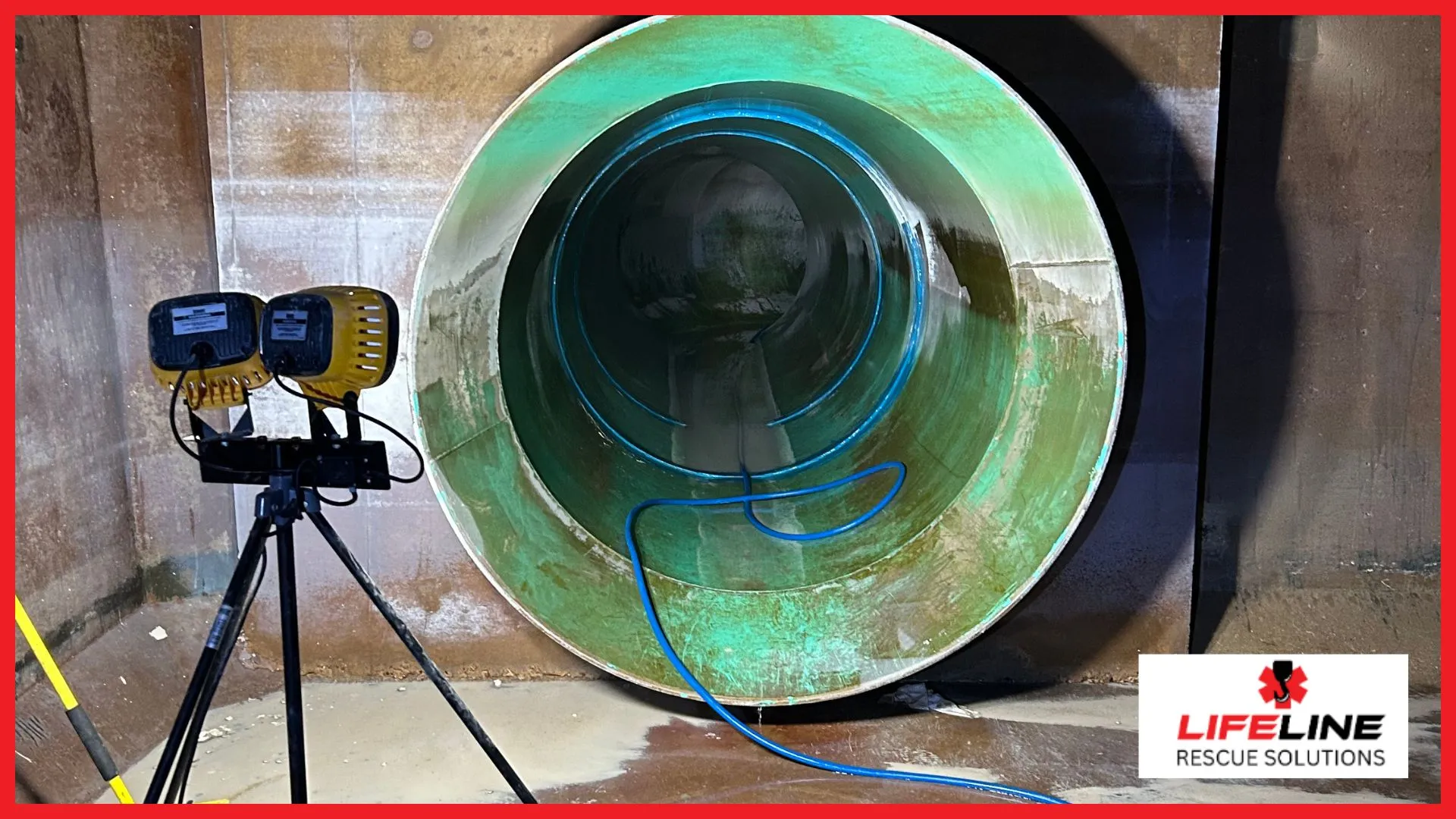
Excessive noise in confined spaces is often underestimated. While it may not seem as immediately dangerous as fire or toxic gases, it can quietly undermine safety systems and significantly increase the risk of serious incidents.
Noise is not just an inconvenience; it is a critical safety factor. When communication fails or alarms go unheard, even well-designed safety procedures can break down.
Managing noise in confined spaces is not only good practice but also a legal requirement in the UK. More importantly, it ensures that safety systems function reliably under real working conditions.
So what is the impact of noise in confined spaces?
Excessive noise in confined spaces can prevent workers from hearing alarms, disrupt communication, and delay emergency response. This significantly increases safety risks and can cause otherwise manageable hazards to become life-threatening.
Legal Framework
Employers working in confined spaces must comply with several key pieces of UK legislation, including:
These are supported by the broader Health and Safety at Work etc. Act 1974, which places a duty of care on employers to protect the health, safety, and welfare of employees.
Together, these regulations require organisations to assess risks, implement control measures, and ensure that safety systems remain effective at all times, including when indirect hazards like excessive noise are present.
Understanding “Specified Risks”
Under the Confined Spaces Regulations, five “Specified Risks” are formally defined, including fire, explosion, and loss of consciousness. Noise is not listed among them but treating it as a secondary issue is a serious oversight.
In practice, excessive noise acts as a barrier that prevents workers from recognising and responding to these risks. For example:
- Gas alarms may not be heard
- Emergency instructions can be missed
- Early warning sounds, such as structural failure or fluid ingress, may go unnoticed
Uncontrolled noise can quickly turn a manageable hazard into a life-threatening situation.
Duty of Care and Safe Systems of Work
Employers must go beyond identifying hazards. They are legally required to implement a Safe System of Work (SSoW) that remains effective in real-world conditions.
If excessive noise prevents communication, the Safe System of Work is no longer reliable and significantly increases the likelihood that emergency confined space rescue services may be required.
The “Masking Effect” on Life-Critical Alarms
Gas Detection
Best practice in the UK requires the use of personal gas monitors in confined spaces. These devices rely heavily on audible alarms to alert workers to dangerous conditions, including:
- Time Weighted Average (TWA) breaches
- Short-Term Exposure Limit (STEL) spikes
In enclosed environments such as tanks or sewers, noise and reverberation can completely mask these alarms. This can leave workers exposed to hazardous atmospheres without warning.
Site Evacuation
Noise can also compromise emergency evacuation procedures. Common issues include:
- Evacuation alarms are not being heard
- Failure to hear warnings from the top person
- Confusion caused by overlapping machinery noise
In confined spaces, every second counts. Missing an evacuation signal can eliminate the opportunity for safe escape.
Communication Requirements Under HSE Guidance
The Health and Safety Executive L101 guidance makes it clear that effective communication is a fundamental requirement of any Permit to Work (PTW) system.
If workers cannot reliably send or receive critical information, the permit system cannot be considered effective or compliant.
How Noise Amplifies Specified Risks
Fire and Explosion
Excessive noise can mask early warning signs such as:
- Escaping gas
- Mechanical faults that could create ignition sources
Without these cues, workers lose valuable reaction time.
Inrush of Liquids or Solids
In sectors such as water and utilities, noise can conceal:
- Sudden surges of water
- Failures in isolation systems
By the time the hazard becomes visible, escape may no longer be possible.
Loss of Consciousness
Noise also has a direct physiological impact. High noise levels can:
- Increase stress and metabolic rate
- Accelerate breathing
- Increase air consumption
In emergency situations, this can reduce the duration of escape breathing apparatus (EBA), limiting survival time.
Noise Action Levels in UK Law
The Control of Noise at Work Regulations 2005 define three key thresholds:
- 80 dB (Lower Exposure Action Value)
Employers must provide information, instruction, and training - 85 dB (Upper Exposure Action Value)
Hearing protection becomes mandatory, and hearing protection zones must be established - 87 dB (Exposure Limit Value)
This is the absolute legal limit, taking PPE into account
Why Confined Spaces Make Noise Worse
Confined spaces naturally amplify sound.
Hard surfaces such as steel and concrete reflect sound waves, increasing exposure through reverberation. As a result, equipment that is relatively safe in open environments can become hazardous in enclosed spaces.
For example, tools rated at 85 dB in open air may exceed 95 dB inside a tank.
This creates several practical challenges:
- Risk assessments based on open-air conditions may be inaccurate
- PPE requirements may be underestimated
- Communication systems may fail in practice
Hidden Risk of Over-Protection
The Isolation Problem
While hearing protection is essential, excessive attenuation can introduce new risks.
If sound levels at the ear drop below approximately 70 dB:
- Alarms may not be heard
- Verbal communication becomes ineffective
- Situational awareness is reduced
This can effectively isolate workers in a hazardous environment.
Smarter Hearing Protection
A more effective approach is level-dependent hearing protection compliant with BS EN 352-4.
These systems:
- Allow speech and low-level sounds to remain audible
- Automatically reduce harmful noise levels
This balances protection with communication.
PPE Compatibility Matters
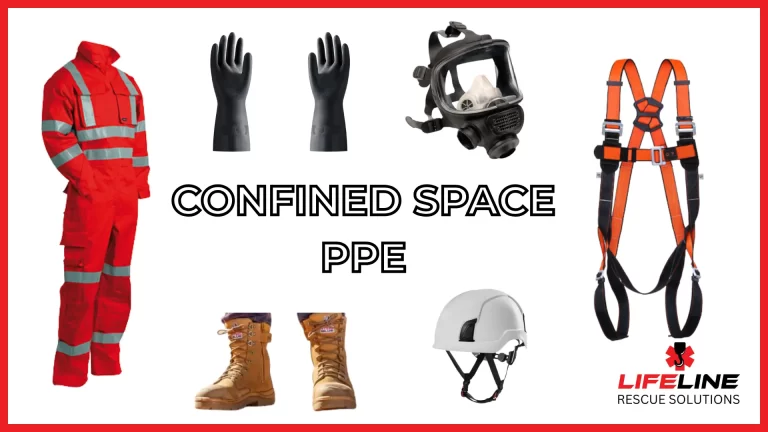
In confined spaces, multiple types of PPE are often required, including:
- Respiratory protective equipment (RPE)
- Safety helmets
- Hearing protection
Under the Personal Protective Equipment at Work Regulations 1992, all PPE must be compatible.
Poor integration can result in:
- Compromised respirator seals
- Reduced the effectiveness of hearing protection
- Discomfort that discourages proper use
Practical Noise Control and Mitigation
Start with Engineering Controls
Following the hierarchy of control, noise should be reduced at the source wherever possible. This may include:
- Relocating noisy equipment
- Using silencers or acoustic enclosures
- Selecting quieter tools or processes
PPE should always be the last line of defence.
Plan for Communication Failure
A robust Safe System of Work should anticipate communication breakdowns.
Non-verbal methods should be defined in advance, such as:
- Rope signal systems (e.g. OATH signalling)
- Standardised hand signals
These methods must be clearly documented, practised, and included in the Permit to Work.
Define Communication in the Permit to Work
The Permit to Work (PTW) should clearly specify how communication will be maintained, such as:
- Intrinsically safe radios with noise-cancelling headsets
- Hardline communication systems with backup signalling
If communication methods are not clearly defined, they cannot be relied upon.
Supporting Guidance for Workers
The INDG258 provides practical, easy-to-follow advice for workers and reinforces the importance of communication, hazard awareness, and noise control on-site.
Conclusion
Meeting legal requirements is only the starting point. True safety depends on understanding how hazards interact and how something as easily overlooked as noise can undermine every control measure in place.
In confined spaces, noise is not just a background issue. It directly impacts communication, situational awareness, and response time, all of which are critical to survival.
If workers cannot hear alarms, instructions, or each other, then the Safe System of Work does not exist in practice. When communication fails, even the most robust safety procedures become ineffective.
As conditions deteriorate, hazards escalate quickly, and the window for safe self-escape can close without warning. In these situations, the difference between a controlled incident and a fatal outcome often comes down to one factor: having immediate access to a professional confined space rescue team.
Frequently Asked Questions
What are the risks of noise in confined spaces?
Excessive noise can prevent workers from hearing alarms, emergency instructions, or early warning signs. This increases the likelihood of serious incidents, including exposure to hazardous atmospheres and delayed evacuation.
Is noise considered a confined space hazard in UK law?
Noise is not listed as a “Specified Risk” under the Confined Spaces Regulations 1997, but it is still a critical hazard because it can prevent workers from recognising and responding to dangerous conditions.
At what level does noise become dangerous in the workplace?
Under the Control of Noise at Work Regulations 2005:
- 80 dB requires awareness and training
- 85 dB requires hearing protection
- 87 dB is the legal exposure limit
How can noise be controlled in confined spaces?
Noise can be reduced through engineering controls such as quieter equipment, acoustic barriers, and relocating noise sources. Where this is not possible, appropriate hearing protection and communication systems must be used.
Why is communication critical in confined spaces?
Effective communication ensures workers can respond to hazards quickly. If noise prevents communication, the Safe System of Work is no longer effective, increasing the risk of serious injury or fatality.