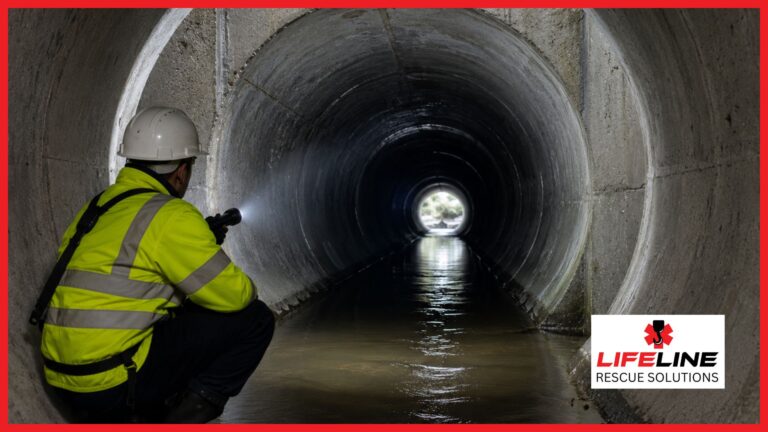
Most confined spaces don’t suddenly become unsafe. Their condition changes gradually over time as concrete begins to crack, steelwork corrodes...
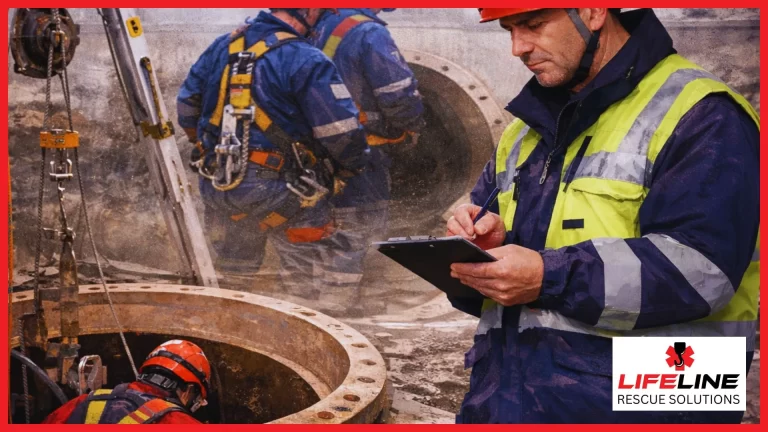
There’s a moment in every confined space audit when the paperwork stops mattering. Folders are closed. Clipboards come down. And the inspector from the Health...
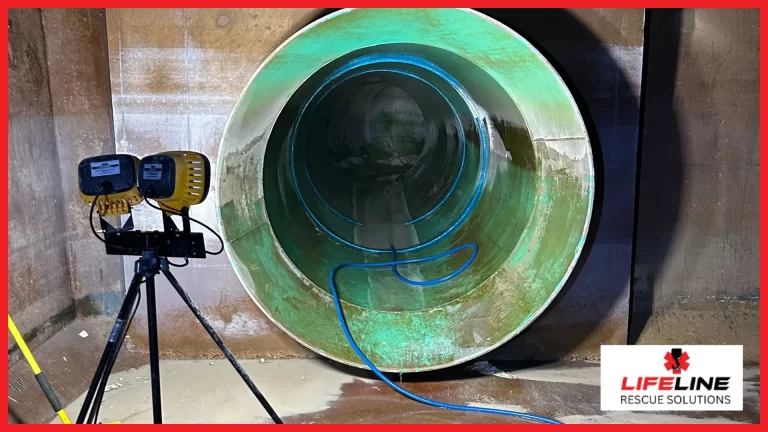
Excessive noise in confined spaces is often underestimated. While it may not seem as immediately dangerous as fire or toxic gases, it can quietly undermine...
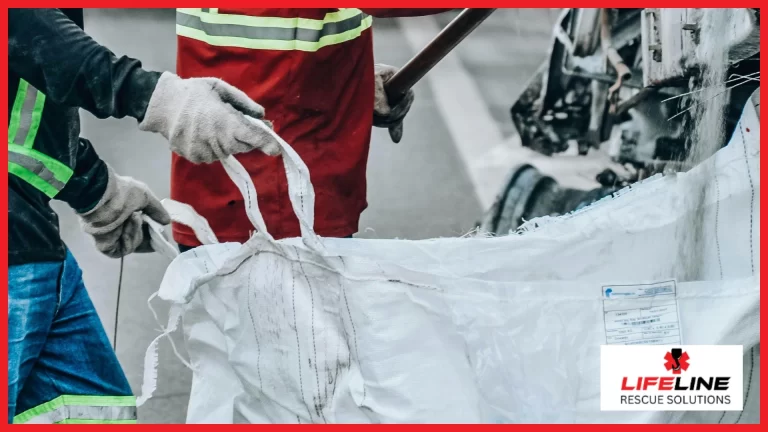
Manual handling injuries remain one of the leading causes of workplace absence across the United Kingdom. Whether in warehousing, healthcare, construction...
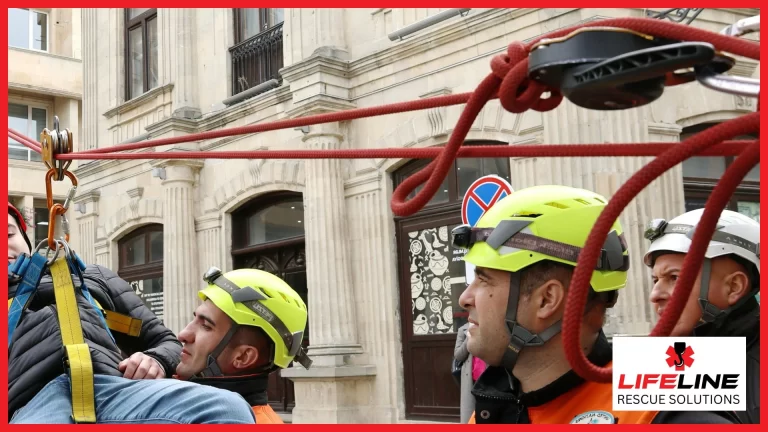
Choosing the right rescue equipment for an industrial site is not a box-ticking exercise. It is a decision that directly affects whether a casualty is recovered...
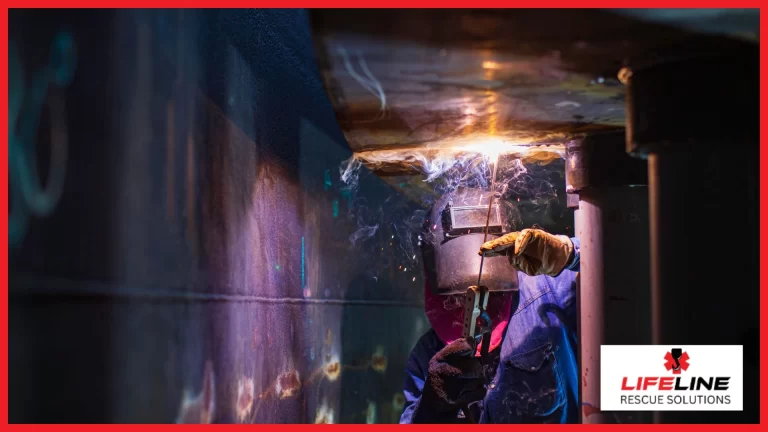
Methane gas is one of the most underestimated hazards in confined spaces. Often described as “non-toxic,” it continues to feature in serious incidents and...
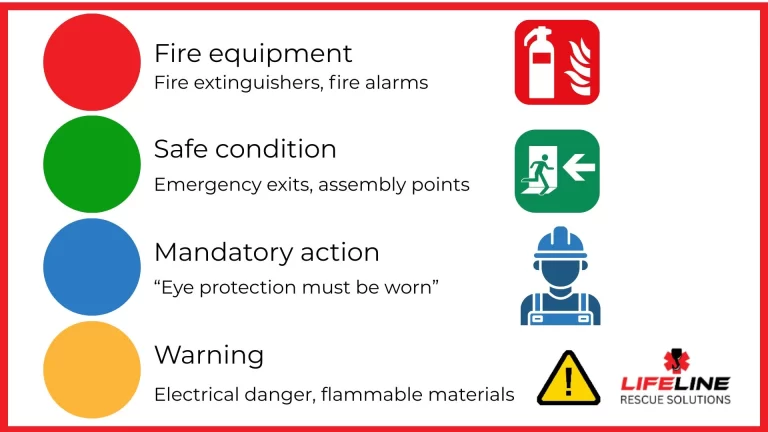
Fire safety signs are used in workplaces and public buildings across the United Kingdom to help people find equipment and exits quickly in an emergency. During...
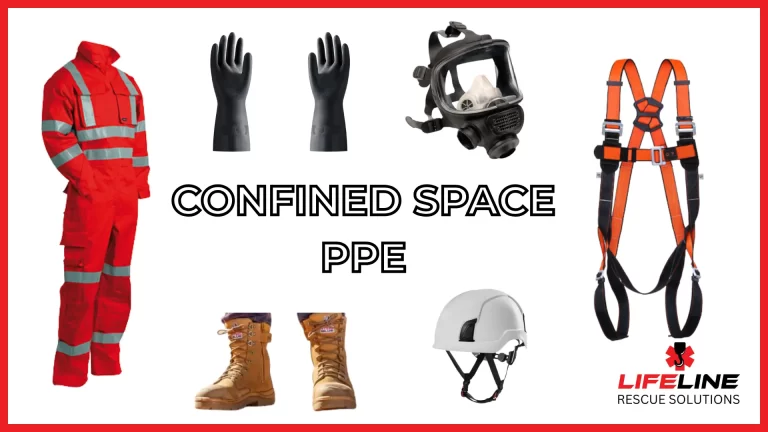
Confined space work remains one of the most dangerous activities across UK construction, utilities, and industrial environments. Poor air quality, restricted...
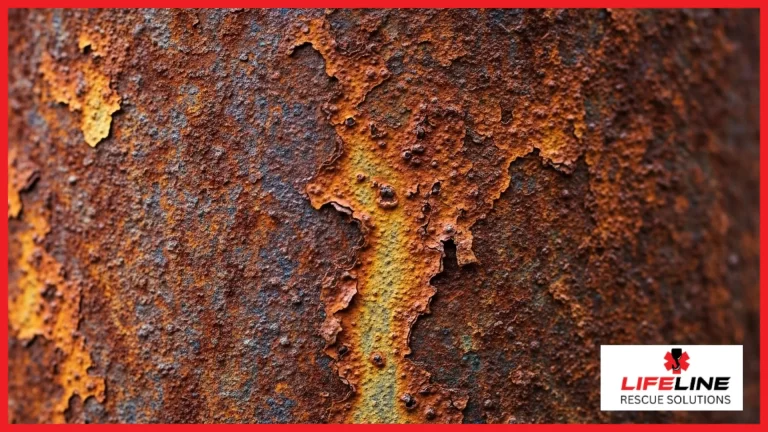
Rusting in confined spaces is often overlooked as a slow, passive process. In reality, it presents a serious and sometimes life-threatening hazard to...