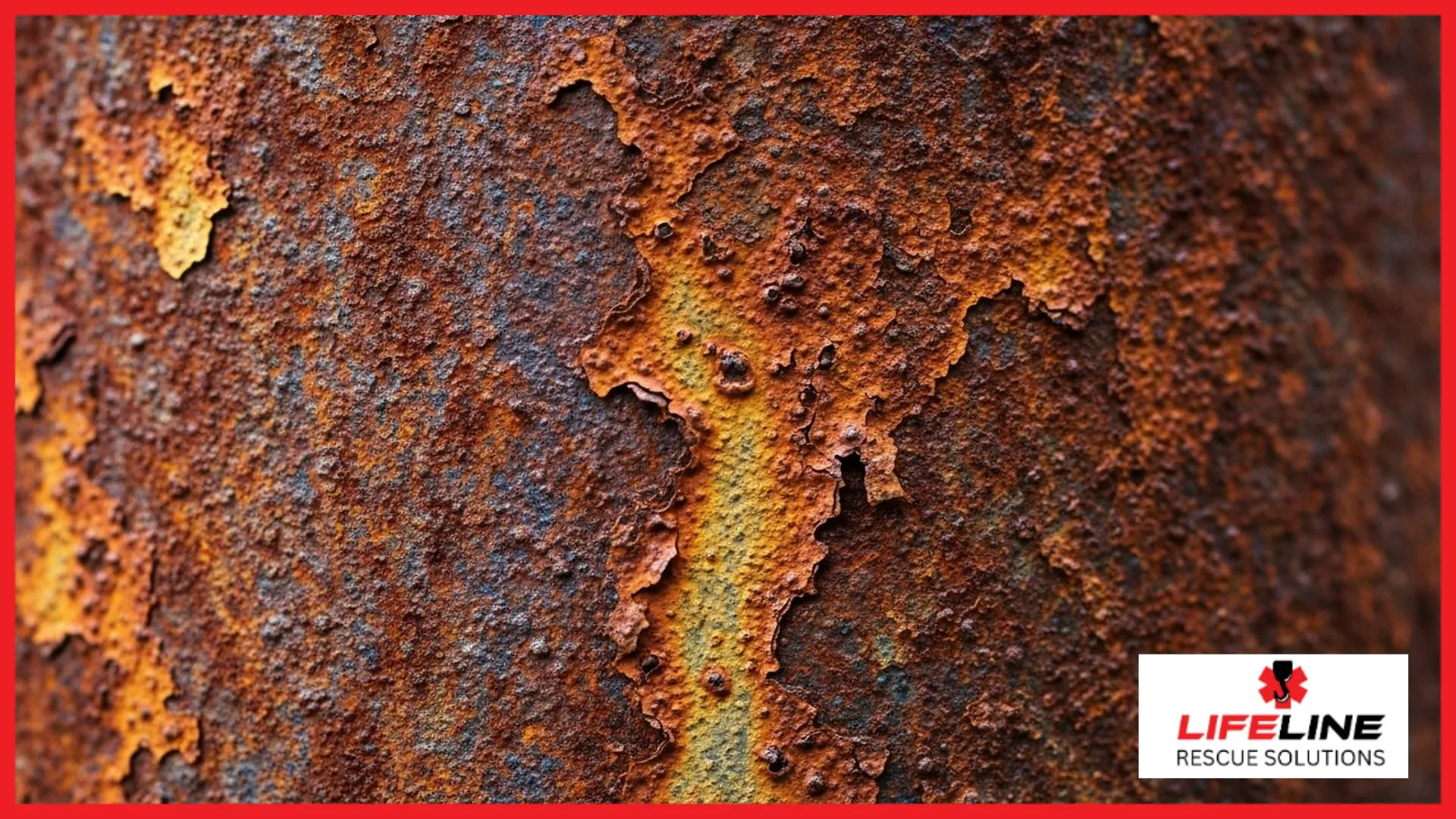
Rusting in confined spaces is often overlooked as a slow, passive process. In reality, it presents a serious and sometimes life-threatening hazard to workers.
As a confined space specialist, I have seen rust-related risks contribute to oxygen-deficient atmospheres, structural failures, and secondary safety incidents. Understanding how rust forms and why it is dangerous in confined spaces is essential for safe entry and work planning.
How Rusting Occurs in Confined Spaces
Rusting occurs when iron or steel reacts with oxygen and moisture, forming iron oxide. Confined spaces such as tanks, vessels, pipelines, silos, and underground chambers often provide ideal conditions for corrosion: high humidity, condensation, limited airflow, and long periods without inspection.
Unlike open environments, confined spaces restrict the natural replenishment of oxygen, making early signs of corrosion difficult to detect. This combination significantly increases the hazard potential.
Dangerous Hazards of Rusting in Confined Spaces
Rust in confined spaces introduces multiple, often interconnected risks that can escalate rapidly if not properly managed. Understanding these hazards is essential for maintaining safe working conditions and preventing serious incidents.
1. Oxygen Depletion
One of the most dangerous hazards posed by rusting in confined spaces is oxygen depletion. According to HSE guidance on oxygen depletion in confined spaces, oxidation processes such as rusting can reduce oxygen levels below safe limits without warning.
Rusting is an oxidation process that consumes oxygen from the surrounding atmosphere. In an enclosed or poorly ventilated space, this oxygen consumption can reduce levels below the safe minimum of 19.5% without any visible warning signs. Workers entering such spaces may experience dizziness, impaired judgment, or loss of consciousness within minutes.
Because oxygen-deficient atmospheres are colourless, odourless, and undetectable by human senses, workers may be unaware of the danger until it is too late.
2. Structural Weakening and Collapse
Corrosion gradually reduces the thickness and strength of metal structures. In confined spaces, this can lead to:
- Collapse of tank walls or roofs
- Failure of ladders, walkways, or supports
- Sudden release of stored materials
A corroded surface may appear stable but fail under body weight or vibration. In confined spaces, escape routes are limited, making structural failures especially hazardous.
3. Release of Harmful Substances
Rusting can compromise the integrity of pipes, vessels, and storage tanks, leading to leaks or releases of hazardous substances. This may include:
- Toxic gases
- Flammable vapours
- Process chemicals or sludge
In confined spaces, even small releases can rapidly create dangerous atmospheres due to limited dilution and ventilation.
4. Increased Fire and Explosion Risk
Rust can also contribute to fire and explosion hazards. Corroded metal surfaces may produce fine rust particles, which can become airborne during cleaning or maintenance. In certain conditions, iron oxide dust can act as a combustible dust.
Additionally, weakened structures may fail and create sparks, while compromised systems may allow flammable gases to escape into the confined space.
5. Slips, Trips, and Contact Hazards
Rusting often leads to flaking metal, sharp edges, and unstable walking surfaces. In confined spaces, this increases the risk of:
- Cuts and puncture wounds
- Slips and falls
- Damage to protective equipment
These hazards are intensified by restricted movement, poor lighting, and limited ability to manoeuvre away from danger.
Why Rust Hazards Are Often Missed
Rust develops slowly, and its effects may not be immediately obvious. Confined spaces are also entered infrequently, meaning corrosion can progress unnoticed for long periods. Without thorough inspection, atmospheric testing, and risk assessment, workers may be exposed to severe hazards on entry.
How to Manage the Risk of Rusting in Confined Spaces
Managing rust in confined spaces requires a proactive, risk-based approach that recognises corrosion as both a structural and atmospheric hazard. Control measures should be designed to prevent deterioration, identify emerging risks early, and ensure that safe systems of work remain effective throughout the lifecycle of the asset.
Key measures include:
- Pre-entry atmospheric testing, including oxygen levels
- Regular inspection and maintenance of confined spaces
- Adequate ventilation before and during entry
- Structural integrity assessments
- Corrosion protection measures, such as coatings and linings
- Confined space training and robust permit-to-work systems
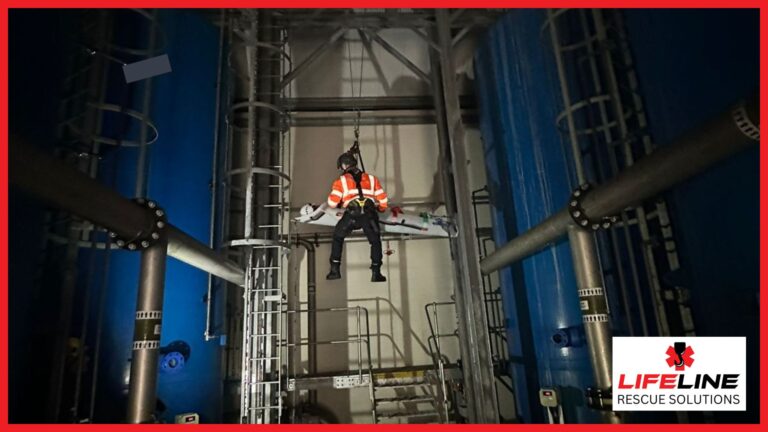
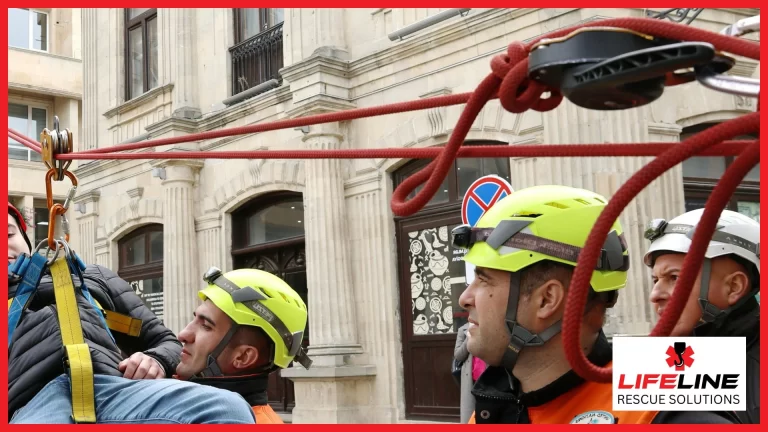
In higher-risk environments, particularly where corrosion may have weakened structures, oxygen depletion is possible, or the likelihood of sudden failure cannot be ruled out, it is also prudent to engage professional confined space rescue services. This ensures that trained rescue teams, specialist equipment, and fully compliant rescue procedures are immediately available should conditions deteriorate or an incident occur.
Conclusion
Rusting in confined spaces poses multiple hazards, with oxygen depletion and structural failure being among the most dangerous. Because these risks are often invisible and develop over time, they demand proactive management, thorough assessment, and specialist knowledge.
Treating corrosion as a serious confined space hazard can prevent injuries, fatalities, and catastrophic incidents. Safe confined space work begins with recognising that rust is not just deterioration but a warning sign.
For the safety of your staff and the continuity of your operations in confined spaces, you can contact us to discuss professional confined space rescue support, risk management advice, and compliant rescue planning tailored to your site and activities.