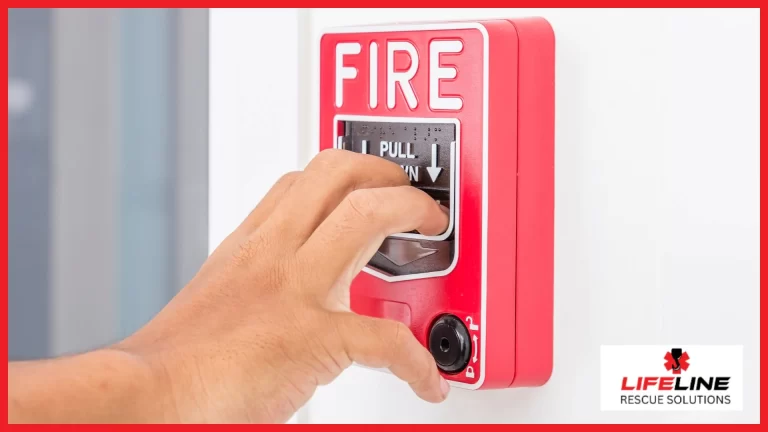
Ensuring fire safety is both a legal and moral responsibility for every organisation, building owner, and premises manager in the UK. At the heart of this...
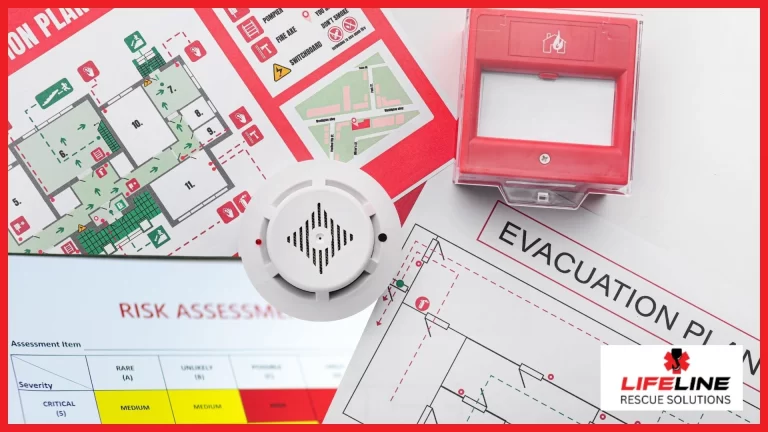
Most UK business owners eventually ask the same question: Do we legally need a fire prevention plan? The answer is slightly more nuanced than a simple yes...
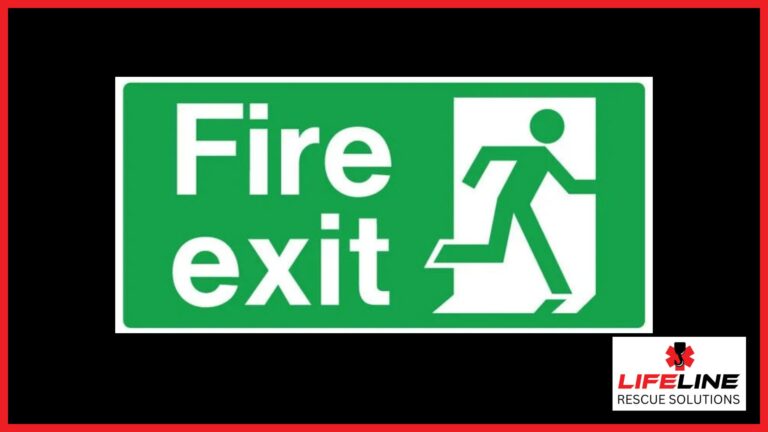
Fire safety signage is a legal and lifesaving requirement across all workplaces in the UK. These signs provide clear visual instructions that help people act...
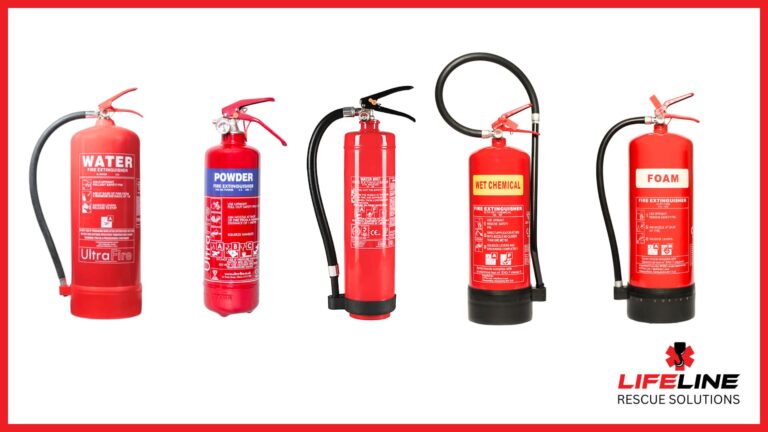
Fire extinguishers are essential tools for protecting people, property, and workplaces from the dangers of fire. They are designed with specific agents to...
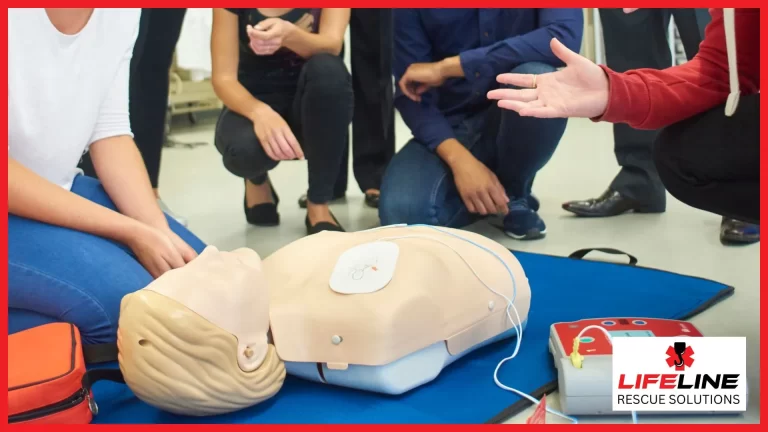
Keeping people safe at work is more than just following the rules, it’s about making sure every member of your team feels protected and supported. First aid...
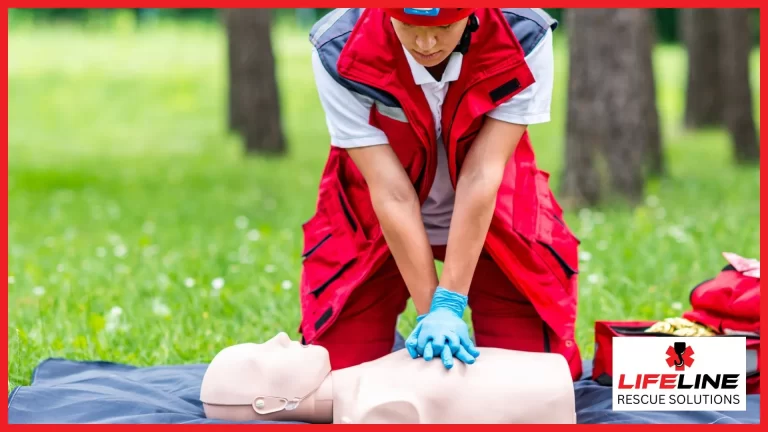
First aid qualifications in the UK are structured to ensure individuals can respond effectively to emergencies, whether in the workplace or public environments...
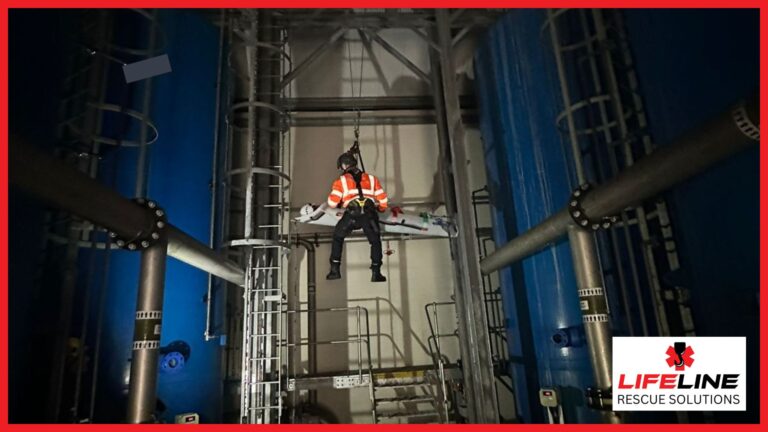
In the UK’s demanding industrial sectors, ranging from offshore energy and construction to heritage restoration, safe access to difficult locations is crucial...
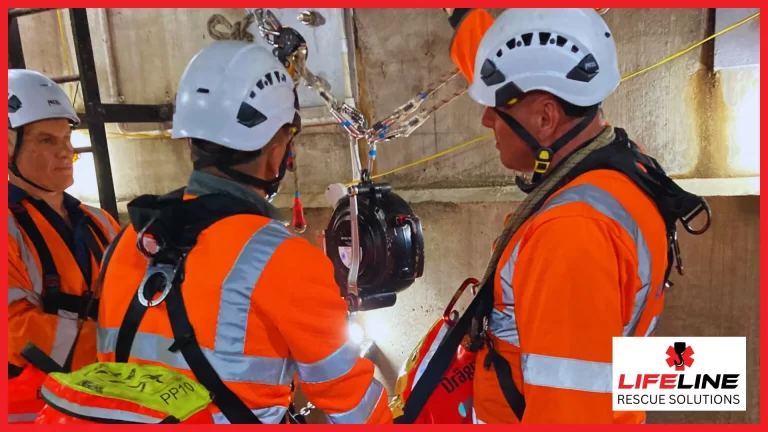
In high-risk industries such as construction, utilities, confined spaces, and offshore operations, the presence of a standby rescue team is not just a...
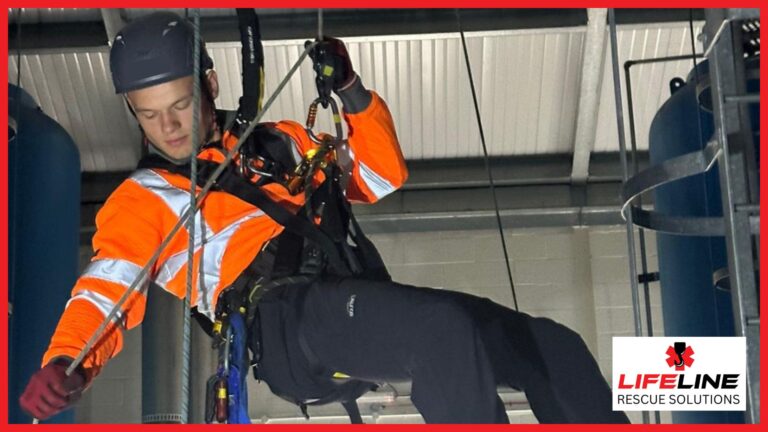
Picture this. You’re halfway up a scaffold, tool belt rattling, the wind picking up, and you realise your harness hasn’t been checked in weeks. Terrifying...