Picture this. You’re halfway up a scaffold, tool belt rattling, the wind picking up, and you realise your harness hasn’t been checked in weeks. Terrifying, right? Sadly, it’s not a rare scenario. Falls from height remain one of the biggest causes of workplace deaths and serious injuries.
If you manage a site, lead a crew, or even just work at height yourself, you need to understand fall protection systems and how to get them right.
This isn’t just about ticking a compliance box. It’s about protecting lives, avoiding crippling fines, and creating a safety culture people trust.
What Is a Fall Protection System?
A fall protection system is any method, equipment, or process that either prevents a fall from happening or minimises the consequences if it does.
Not all systems are the same. That’s where many people get confused, and that confusion can lead to serious mistakes.
So let’s break it down clearly.
Why Fall Protection Matters More Than You Think
Working at height always comes with risk, but some people still underestimate just how serious a single mistake can be. Whether you’re on a roof, scaffold, or ladder, fall protection isn’t just a ‘nice-to-have’. Fall protection is a legal and moral responsibility.
Here’s why getting it right matters so much:
It protects lives
A single slip can end a life in seconds. Proper fall protection keeps workers safe so they can go home to their families at the end of every shift.
Mistakes cost a fortune
Failing to protect workers doesn’t just risk lives, it risks your entire business. One fall can lead to hefty fines, expensive compensation claims, project delays, and a reputation that’s hard to rebuild.
It’s the law
In the UK, the Work at Height Regulations 2005 are crystal clear. Employers must plan work at height properly, supervise it responsibly, and use the right equipment and procedures to keep people safe.
You can read the official HSE guidance here.
Four Types of Fall Protection (and When to Use Them)
When it comes to working at height, no single solution fits every situation. Here’s a quick guide to the four main types and how to know which one to use.
1. Fall Prevention
This is the gold standard. If you can remove the risk of falling altogether, do it.
Examples include:
- Guardrails and edge protection
- Scaffolding with secure barriers
- Roof parapets or covers over fragile surfaces
If workers can’t reach the hazard, they can’t fall.
2. Fall Restraint
Sometimes, full prevention isn’t practical. A fall restraint system lets workers access high areas but physically stops them from reaching the edge.
It’s like putting a leash on the situation: the harness and lanyard are short enough to prevent workers from getting into trouble.
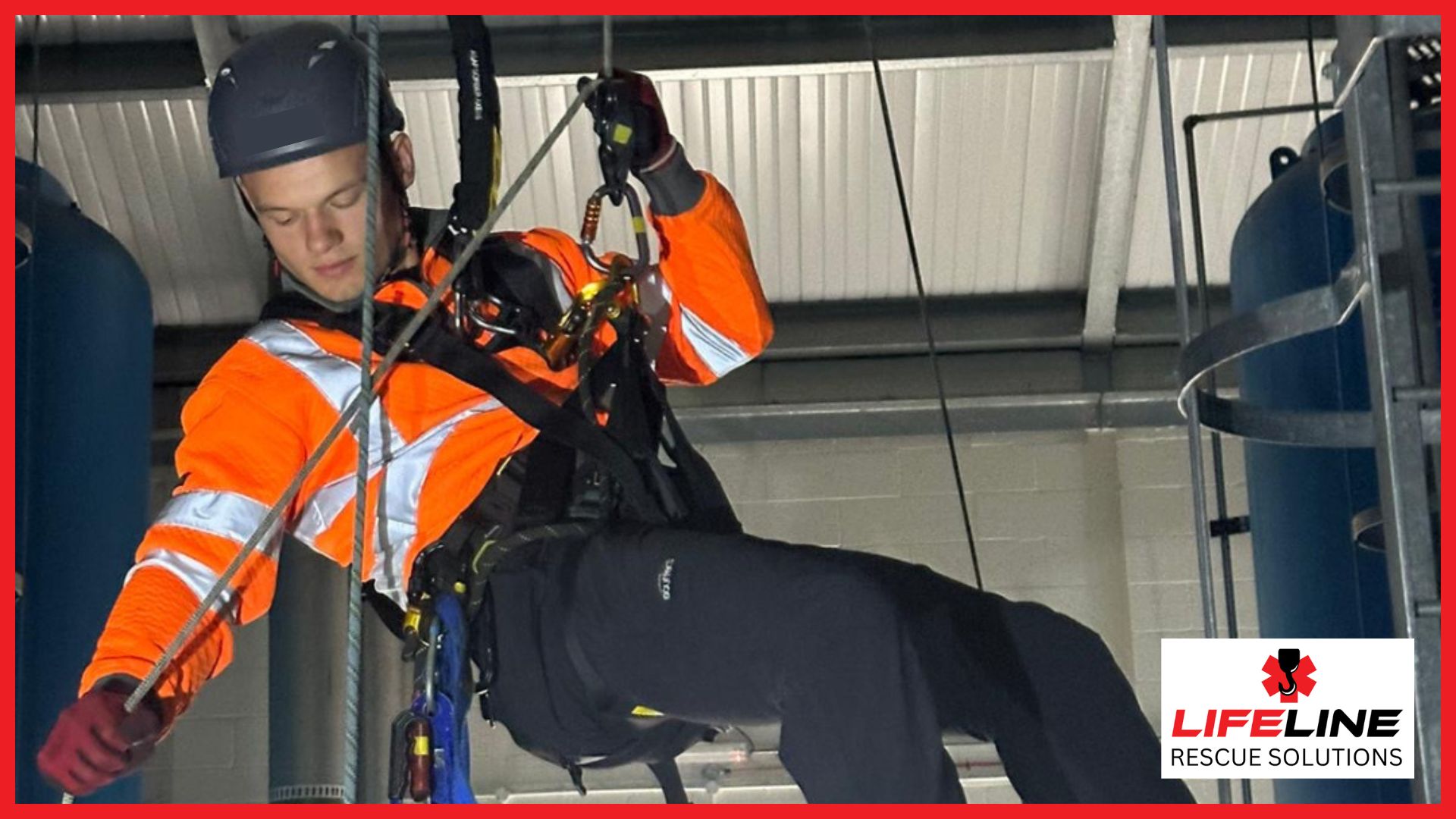
3. Fall Arrest
If there’s still a chance someone could fall, a fall arrest system is the next line of defence. It catches a worker mid-fall and reduces the impact force.
A basic fall arrest setup’s essential components:
- A certified full-body harness (BS EN 361)
- A shock-absorbing lanyard or self-retracting lifeline
- A strong, approved anchor point (BS EN 795)
But remember: it’s not enough to have the gear – you need enough clearance below to stop the person safely before they hit the ground.
4. Work Positioning
This is more specialised but important for certain tasks like tower work or window cleaning. A work positioning system keeps a worker securely in place, allowing them to work hands-free without drifting or losing balance.
Components of a Reliable Fall Arrest System
Every fall arrest system should have these three essentials:
Harness – Full-body, correctly fitted, compliant with BS EN 361
Connector – Shock-absorbing lanyard or self-retracting lifeline
Anchor point – Certified under BS EN 795, able to withstand ≥ 15kN of force
Another important thing to note is that every fall arrest plan needs a rescue plan. Don’t leave a suspended worker hanging with no way down because suspension trauma can set in within minutes.
Choosing the Right System for Your Site
Before you invest in equipment or send anyone up a ladder, step back and ask yourself these key questions:
- Can the risk be eliminated?
Eliminating the need to work at height is always the safest option. (e.g., use long-reach tools instead of ladders)
- If not, can barriers prevent access?
Guardrails, edge protection, or covers can prevent exposure to the hazard.
- If not, can you restrain workers from reaching the danger zone?
Use harnesses and lanyards to keep workers at a safe distance from edges.
4. If not, can you stop them safely if they fall and rescue them quickly?
When the risk remains, a reliable fall arrest system and a clear rescue plan are essential.
Never guess because every site is different. The right solution for a flat roof won’t be the same as for scaffolding, towers, or fragile surfaces. Always get professional advice from a reputable fall protection specialist.
Make sure your workers are properly trained, your equipment is regularly inspected, and your systems meet all legal requirements.
UK Regulations & Employer Responsibilities
If you’re an employer or site manager, you must comply with the Work at Height Regulations 2005 and relevant British Standards:
- BS EN 363 — Personal fall protection systems
- BS EN 361 — Full body harnesses
- BS EN 795 — Anchor devices
This means as an employer, your duties include providing the right equipment, keeping it maintained, training your workers, and planning for emergencies.
Inspection & Maintenance Best Practice
Regular inspection is a legal and practical necessity.Here’s a useful framework you can use:
Frequency | What to Check | Who Should Do It |
Daily (before use) | Harness condition, lanyard wear, anchor stability | Trained worker |
Weekly | System integrity, storage, minor wear & tear | Supervisor / Competent person |
Annual | Full compliance check against UK standards | Qualified inspector |
Conclusion
Working at height is dangerous, but the right fall protection system, good training, and regular checks make all the difference. Never cut corners to save time or money. It’s just not worth the risk.
If you’re ever in doubt, speak to a qualified fall protection specialist. They can help you choose the right system, keep you compliant, and most importantly, protect your people.
If you want clear advice, proper installation, or help with training and inspections, our experienced team is ready to support you.
Contact us today to arrange a free consultation or site survey. Let’s work together to stop the fall before it happens.
FAQs
When do I need a fall protection system?
Anytime there’s a risk of a fall that could cause injury, usually if the drop is two metres or more, but sometimes less.
Is a harness enough on its own?
No. You need an appropriate anchor, a suitable lanyard or lifeline, and enough clearance below.
Do I really need a rescue plan?
Yes, and always. Hanging in a harness for too long can lead to suspension trauma, which can be fatal.