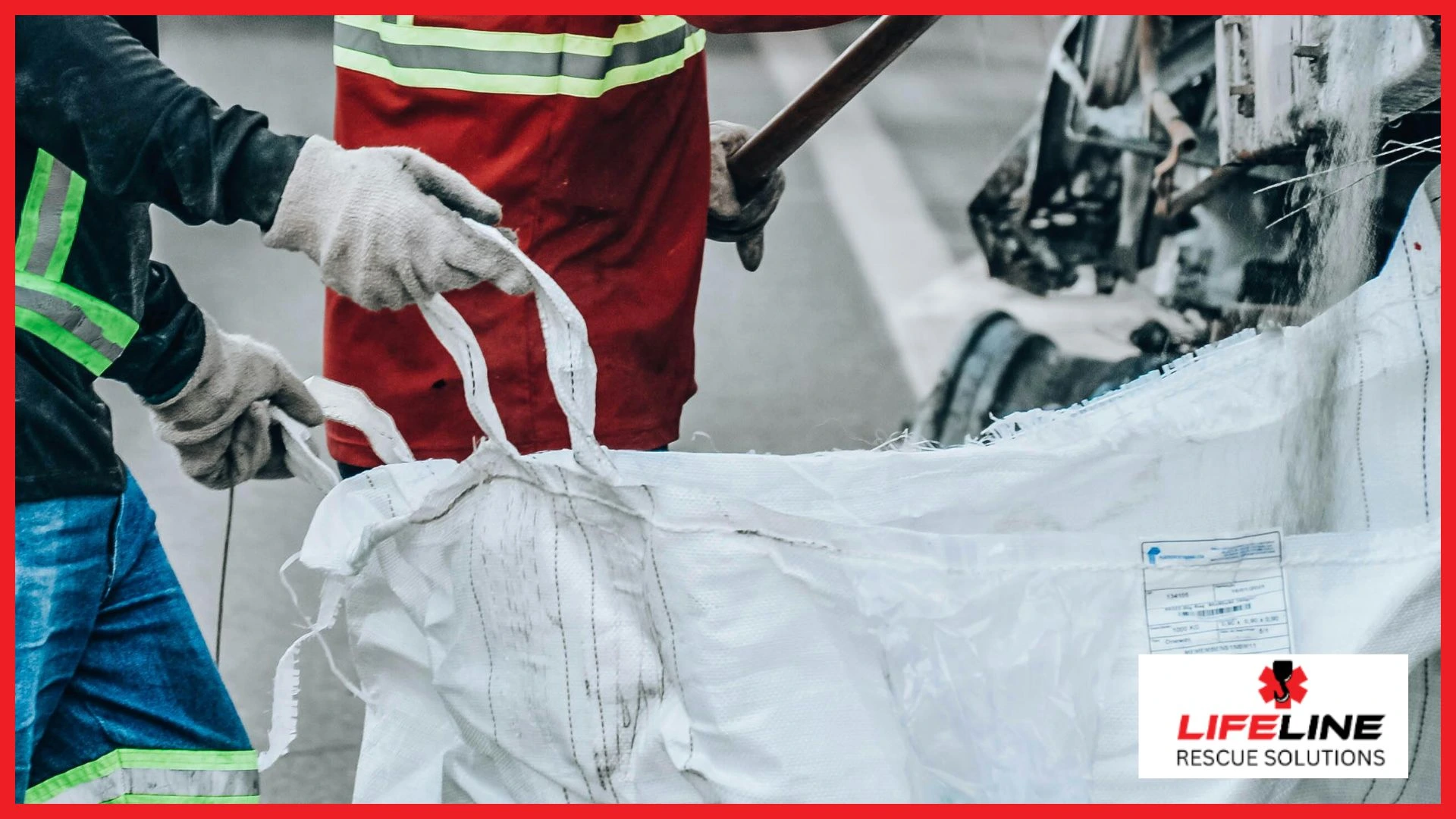
Manual handling injuries remain one of the leading causes of workplace absence across the United Kingdom.
Whether in warehousing, healthcare, construction, facilities management or manufacturing, tasks involving lifting, carrying, pushing or pulling loads present a significant risk of musculoskeletal disorders.
For employers, the question is not merely one of good practice but of legal compliance: is manual handling training a legal requirement in the UK?
The answer is yes — where a risk of injury exists, employers are under a legal duty to provide appropriate training.
The Legal Framework Governing Manual Handling
Manual handling is primarily regulated by the Manual Handling Operations Regulations 1992 (MHOR). These regulations require employers to:
- Avoid hazardous manual handling operations so far as reasonably practicable.
- Assess the risk of injury where manual handling cannot be avoided.
- Reduce the risk of injury to the lowest level reasonably practicable.
The Management of Health and Safety at Work Regulations 1999 also impose a broader duty to provide adequate health and safety training relevant to employees’ work.
Where manual handling presents a foreseeable risk of injury, training becomes part of the employer’s statutory obligation.
When Is Manual Handling Training Legally Required?
Manual handling training is required when:
- Employees are expected to lift, lower, carry, push or pull loads that may cause injury.
- A risk assessment identifies potential musculoskeletal harm.
- The task cannot reasonably be eliminated or fully mechanised.
The legislation does not mandate a specific qualification or certificate. However, it does require training to be suitable, sufficient and proportionate to the risks identified.
In practice, most organisations where physical handling forms part of day-to-day operations will require structured training to demonstrate compliance.
For companies arranging training for their teams, our Manual Handling Training for Companies is designed specifically for UK employers scheduling on-site or organised sessions for employees. The programme aligns with current legislation and focuses on real workplace handling scenarios.
What Makes Manual Handling Training “Adequate”?
Under UK health and safety law, providing manual handling training is not simply about delivering a course — it is about ensuring the instruction is suitable and sufficient for the risks present in the workplace. The standard of “adequacy” is measured against the employer’s risk assessment and the real tasks employees perform, not against a generic syllabus or off-the-shelf presentation.
In practical terms, training must be relevant, proportionate and capable of reducing the risk of injury. It should equip employees with the knowledge and skills necessary to carry out their duties safely within their specific working environment.
Adequate training should:
- Reflect the findings of the employer’s risk assessment.
- Address the specific types of loads handled.
- Cover lifting, pushing, pulling and team handling techniques.
- Explain individual capability and injury prevention.
- Provide practical instruction where appropriate.
Generic, untailored training may not meet legal expectations where handling tasks are varied or higher risk.
Who Should Be Trained?
Manual handling training should be determined by exposure to risk, not by job title alone. Any employee whose role involves lifting, lowering, carrying, pushing or pulling loads that could cause injury must be considered within the scope of training provision. Employers are required to assess who may be at risk and ensure those individuals receive suitable instruction before undertaking relevant tasks.
In many organisations, manual handling is not confined to traditionally physical roles. It can arise in operational, clinical, technical and even office-based environments. As a result, employers must take a broad and risk-based approach when identifying who requires training.
Manual handling training should be provided to:
- Warehouse and distribution staff.
- Construction operatives and tradespeople.
- Healthcare and care sector workers.
- Maintenance and facilities personnel.
- Office staff handling deliveries or equipment.
- Agency and temporary workers under the employer’s supervision.
Training should be delivered before employees undertake hazardous manual handling duties.
Enforcement and Compliance
The Health and Safety Executive is responsible for enforcing health and safety legislation in Great Britain. Where employers fail to provide adequate training or risk controls, enforcement action may include improvement notices, prosecution or financial penalties.
Beyond regulatory risk, manual handling injuries frequently lead to compensation claims and long-term absence.
Frequently Asked Questions (FAQs)
Can manual handling be avoided completely?
In some workplaces, yes — particularly where automation, mechanical handling aids or redesigned workflows remove the need for physical handling. However, in many sectors complete avoidance is not reasonably practicable. Where it cannot be eliminated, employers must assess and reduce the risk, which typically includes providing training.
Is manual handling training a legal requirement for office staff?
It depends on risk. If office employees regularly lift heavy archive boxes, move furniture or handle equipment deliveries, training may be required. If manual handling is minimal and low risk, basic instruction supported by a risk assessment may be sufficient.
How often should manual handling training be refreshed?
There is no fixed legal interval in UK legislation. Refresher training should be provided when work activities change, when unsafe practices are identified, after an incident, or periodically based on organisational risk levels. Many employers adopt a two- or three-year review cycle, but this should be justified by risk rather than routine.
Is online manual handling training legally valid?
Online training can be appropriate for low-risk environments if it is relevant and sufficient. However, in higher-risk roles involving complex or heavy handling tasks, practical, instructor-led training is often more defensible from a compliance perspective.
Do employers need to keep records of manual handling training?
While not explicitly mandated under MHOR, maintaining training records is strongly recommended. Documentation demonstrates compliance with legal duties and provides evidence in the event of inspection or civil claim.
What weight requires manual handling training?
There is no specific legal “safe weight limit” in UK law. Risk depends on multiple factors, including load shape, frequency, posture, distance carried and individual capability. Even relatively light loads can pose a risk if handled repeatedly or awkwardly.
Who is responsible for manual handling safety — employer or employee?
Primary responsibility lies with the employer to assess and control risk. However, employees also have a duty under health and safety law to follow training, use equipment correctly and take reasonable care of their own safety and that of others.
Conclusion
Manual handling training is a legal requirement in the UK wherever employees are exposed to foreseeable handling risks. Although legislation does not prescribe a particular certificate or format, it does require employers to provide adequate and effective training based on risk assessment.
For organisations seeking to protect their workforce and demonstrate compliance, structured, task-specific manual handling training is both a legal safeguard and a practical investment in workplace safety.
Contact us to learn more about our Manual Handling training and how we can customise a training for your team.